Width divided by height: the number behind the bars.
An aspect ratio is a picture's width compared with its height, written as 4:3 or as a single number like 1.33. Cinema and television chose different shapes over the last century, and the black bars on your screen are where those shapes meet.
Pick a common shape to see where it came from. The bar shows how wide the picture is compared with its height.
Based on Scientific American's history of aspect ratios and the American WideScreen Museum.
TWO NUMBERS WORTH KNOWING
A long square era, then a clever middle.
One figure on how long the near-square frame lasted, one on where 16:9 came from.
22 years
Years the 1.37:1 frame went unchallenged
Studios agreed the 1.37:1 sound-film frame in 1931, and it remained unchallenged until 1953, after the first very wide three-projector films the year before.
CINEMA · WIDESCREEN MUSEUM
1.78:1
The 16:9 widescreen TV shape
Engineers picked 16:9 as the geometric mean between 4:3 television and 2.35:1, roughly typical cinema, so a set could show both without much masking.
HDTV · SCIENTIFIC AMERICAN
When cinemas first went wider in 1953, many films shot for 1.37:1 were simply cropped top and bottom, and close-ups lost foreheads and chins.
FOUR THINGS TO KNOW AT HOME
Making sense of the bars.
The bars are usually a sign the picture is being shown as it was made. These points help you read what you are seeing.
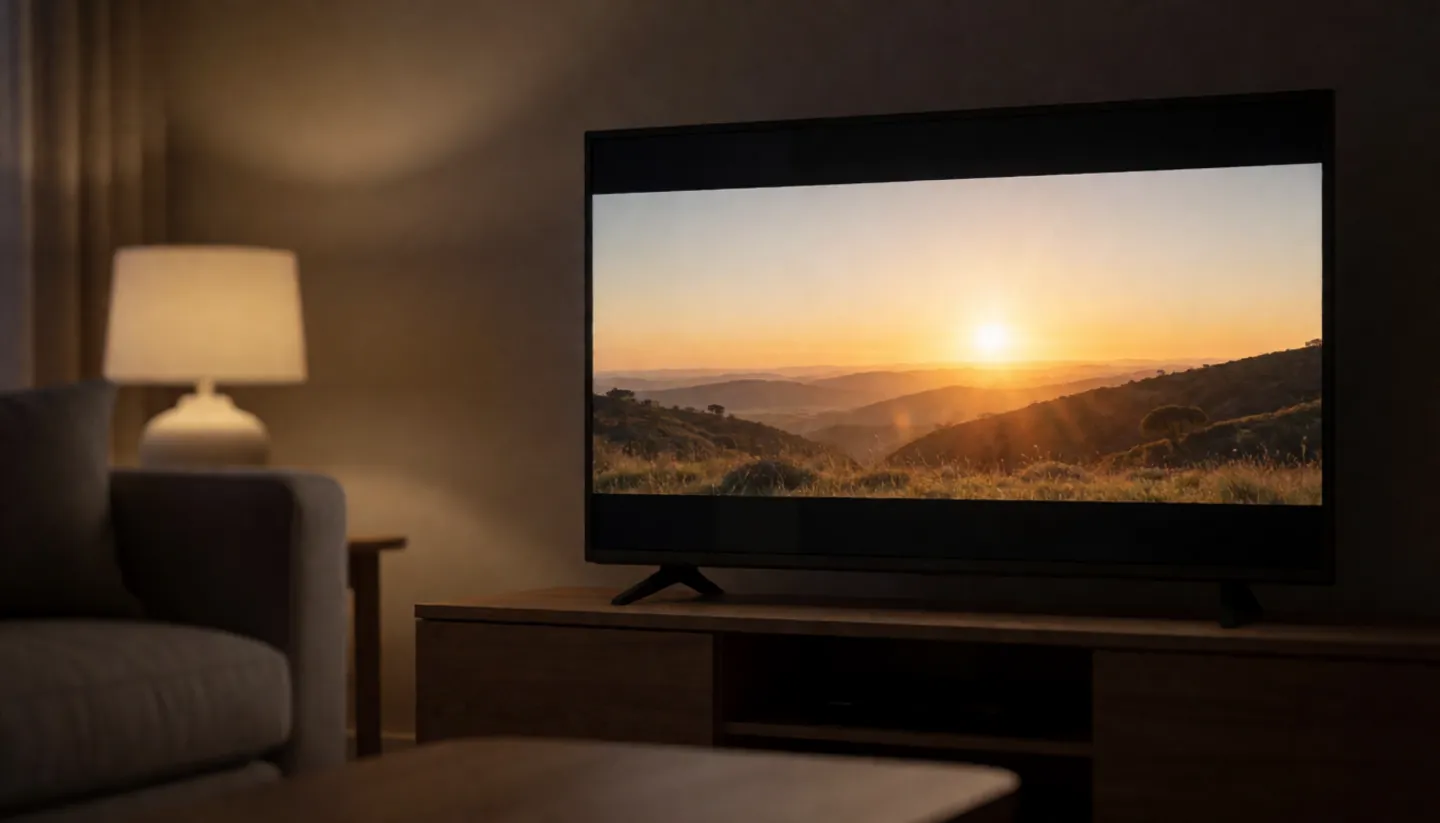
Top and bottom bars
The film is wider than 16:9, so letterboxing keeps the whole width.
Side bars
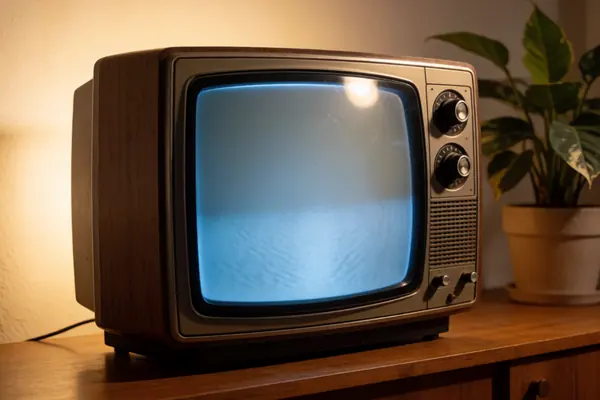
The programme was made in a narrower shape, such as 4:3, and is pillarboxed.
Thin bars on old shows
UK broadcasters used a 14:9 compromise, devised after BBC audience tests, to suit both 4:3 and 16:9 sets.
Edges missing
A centre cut fills a narrower screen by cutting off the sides of a widescreen picture instead of adding bars.
AI-generated image, not a photograph of a real person or place.AI-generated image, not a photograph of a real person or place.
CINEMA VERSUS TELEVISION
Wider screens, bigger screens.
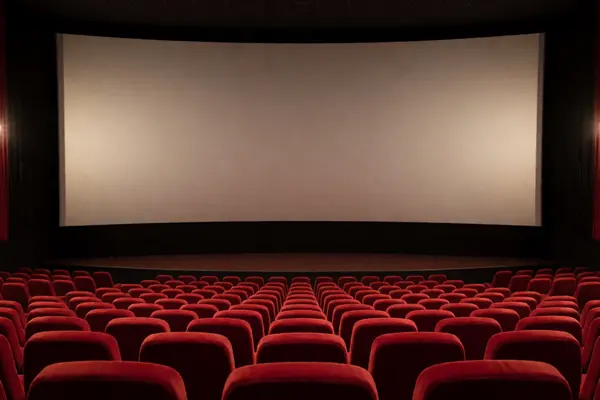
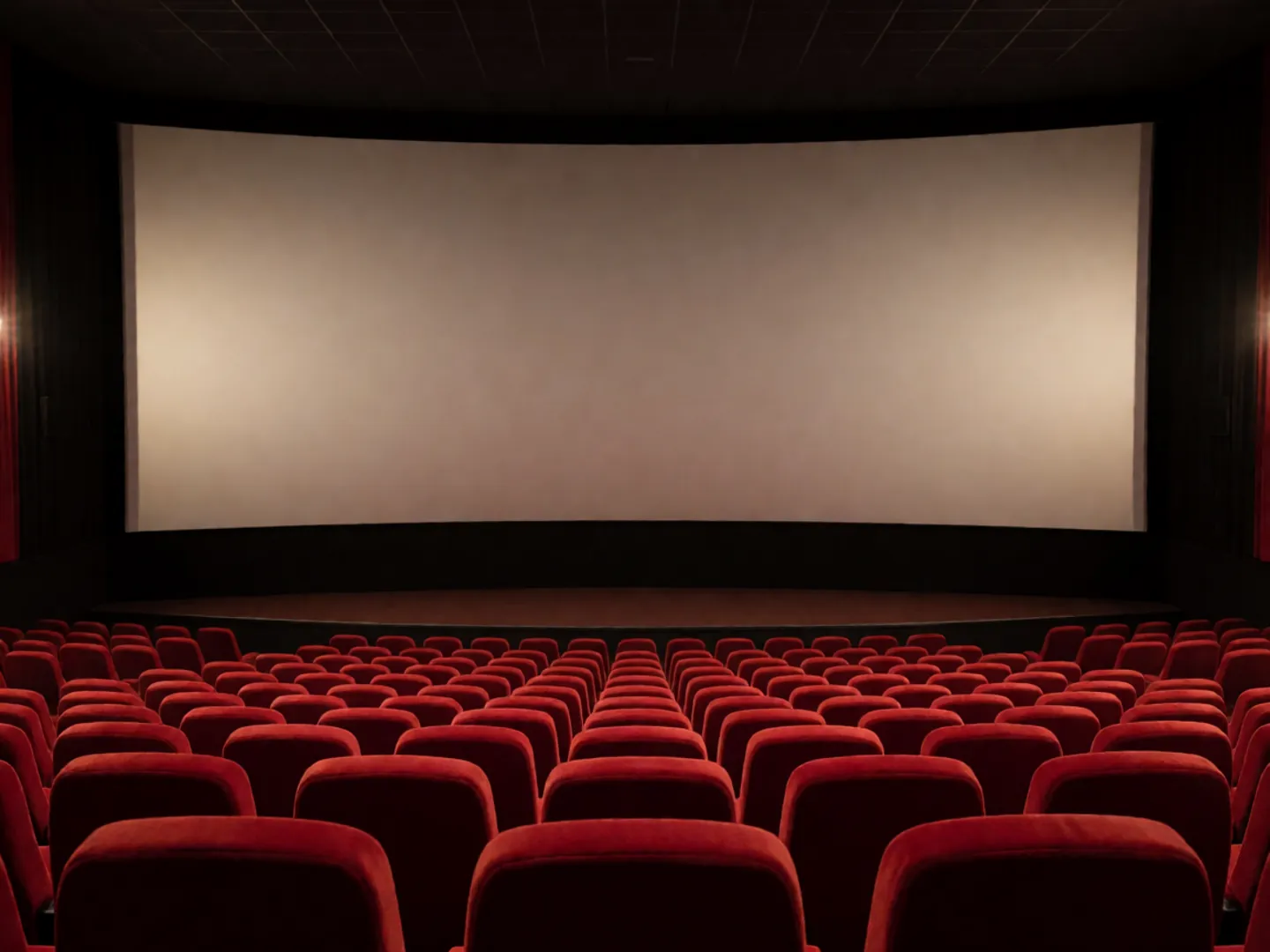
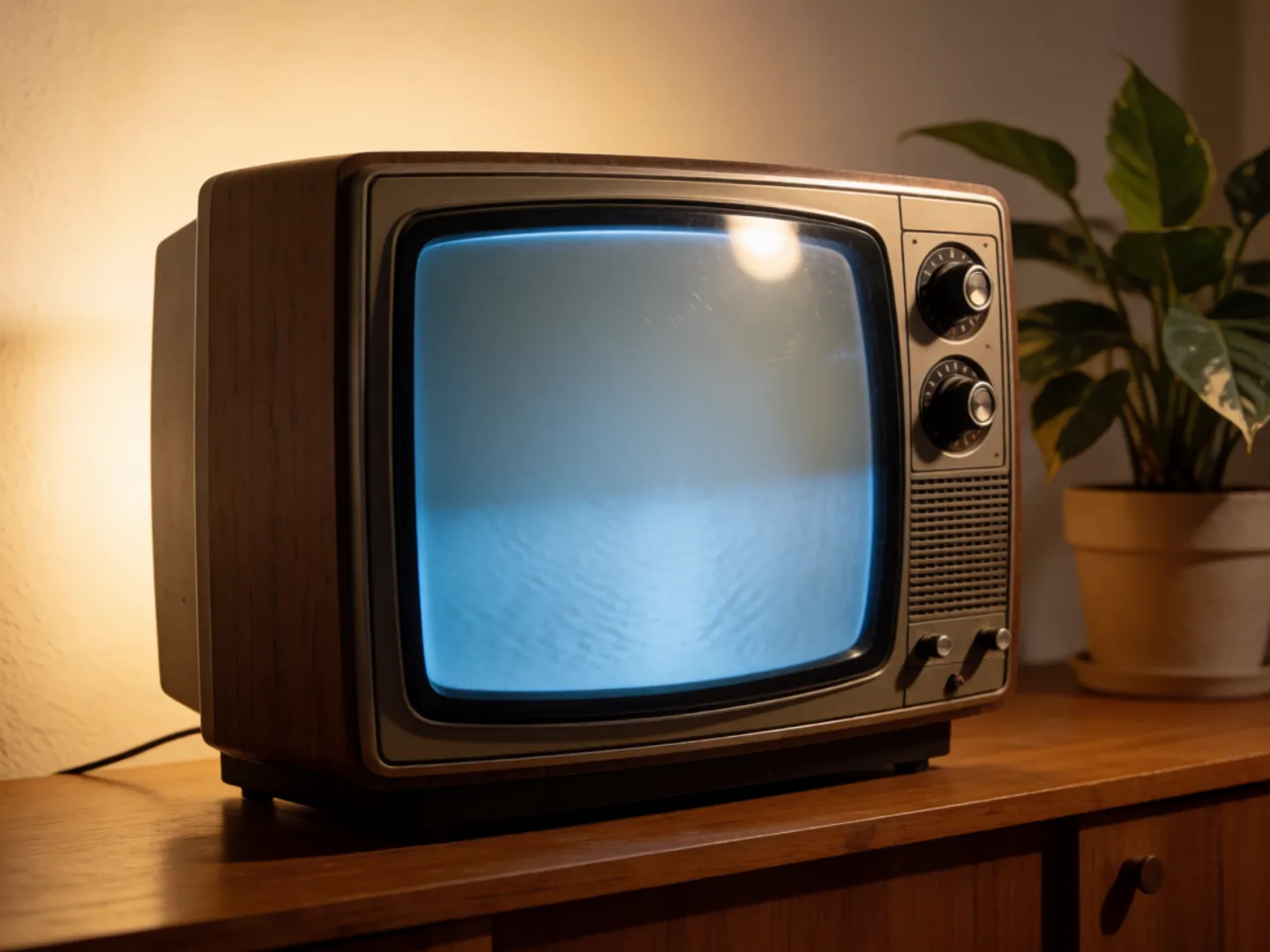
The American WideScreen Museum describes 1953 as the pivotal year. Home television was hurting ticket sales, and the studios pushed for pictures that were not only wider but larger, to get as far as possible from the tiny television screen.
The first answer, in 1952, projected three standard 35mm images side by side onto a giant curved screen at about 2.59:1. Cheaper systems followed, squeezing a wide picture onto ordinary film or cropping the old frame, and the 4:3 television shape lasted until high definition.
Questions
Questions people ask
What does an aspect ratio of 1.78 mean?
The picture is 1.78 times as wide as it is tall. That is the same shape as 16:9. The smaller the number, the squarer the picture; the larger, the wider.
Why do films have black bars on my TV?
Many films are wider than 16:9, often around 2.35 to 2.40:1. Letterboxing adds mattes above and below so the whole width of the frame can be seen.
Why was 16:9 chosen for HD television?
Scientific American says it is the geometric mean between 4:3 and 2.35:1, so a set can show both old television and cinema films with only modest bars.
What is 14:9?
A compromise shape between 4:3 and 16:9, conceived after BBC audience tests and used by UK analogue channels so pictures looked acceptable on both kinds of set.
Is Europe's cinema shape different?
The American WideScreen Museum says European cinemas first settled on 1.66:1 while North America used 1.85:1, but European standards have since embraced 1.85:1 as well.